Most people would rather stay in the home they know than move. A few well-planned changes can make that safer and easier, often without a major renovation.
Start With the Bathroom
The bathroom is where most falls at home happen, so it is usually the first place to start.
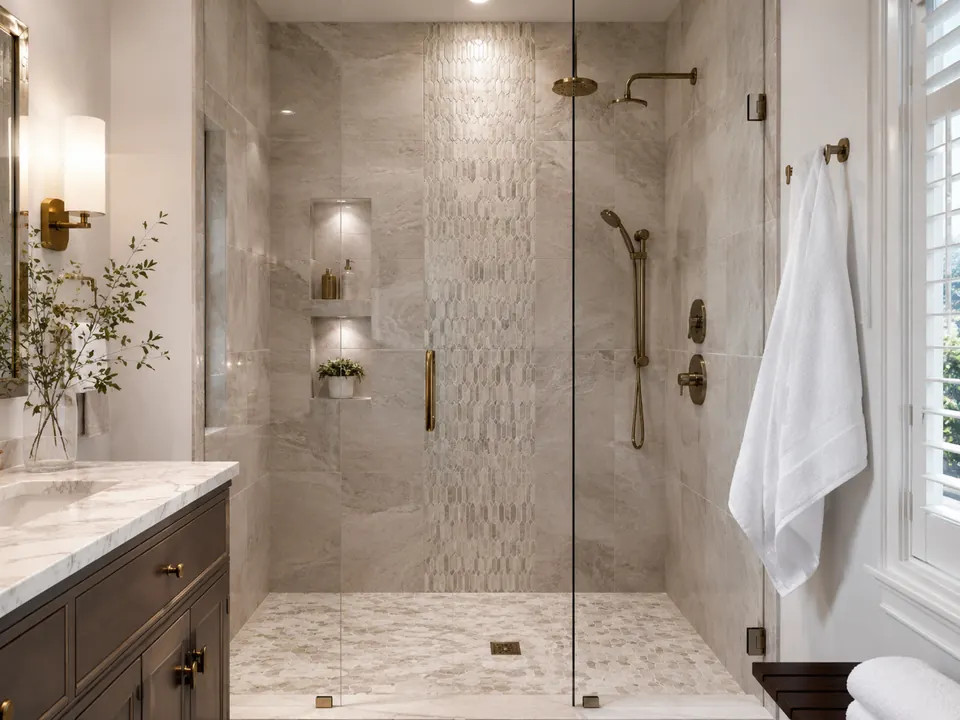
- A curbless or low-threshold walk-in shower in place of a tub
- A built-in bench and a handheld shower head
- Grab bars anchored into solid blocking, not just drywall
- A comfort-height toilet
- Slip-resistant flooring and good lighting
Make Moving Around Easier
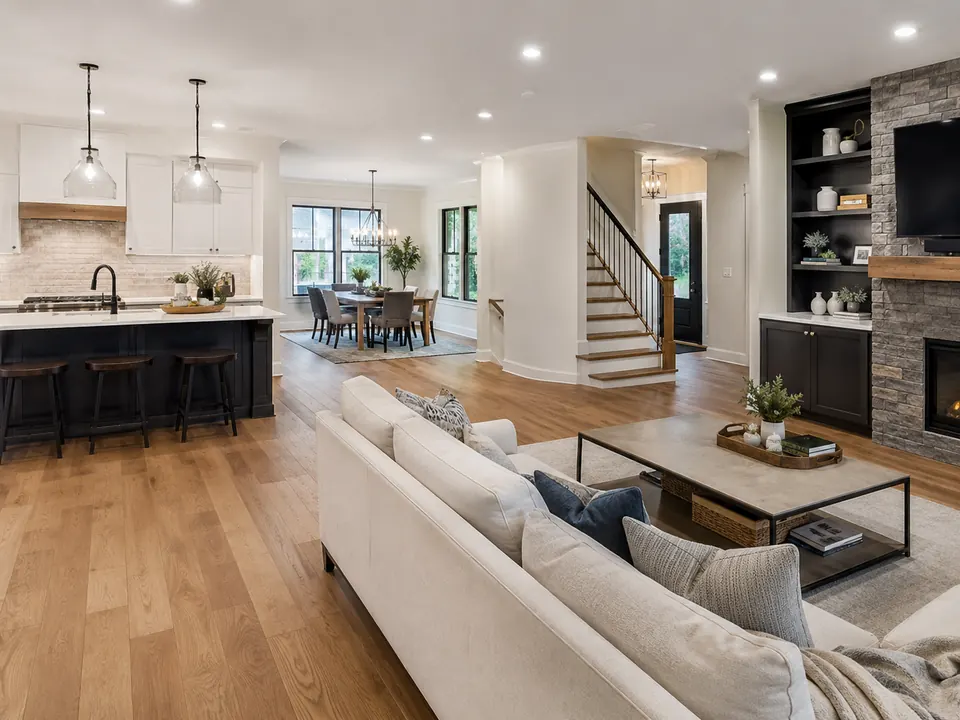
Wider doorways, lever handles instead of knobs, fewer thresholds and better lighting in halls and stairways all reduce everyday hazards. A safer entrance, with a ramp or fewer steps and a handrail, matters too.
Bring Daily Life to the Main Floor
If stairs are becoming difficult, moving a bedroom, full bathroom and laundry to the main floor means the stairs become optional. In some homes that is done with existing space; in others, a small addition is the best answer.
Plan for Later, Too
Even if you do not need every feature today, adding blocking in bathroom walls for future grab bars and choosing a layout with room to turn are inexpensive while the walls are open.
The Bottom Line
Plan around the person who will live in the home, now and in the years ahead. If an occupational therapist has made recommendations, use them as the starting point.